
Webhook-Driven Email Automation (2026): Events, Decoupling, and Reliable Delivery
Event-driven architecture to decouple email sending, with signature verification, idempotency, and Rovela Automations.
Product updates, engineering deep-dives, and practical guides.
Event-driven architecture to decouple email sending, with signature verification, idempotency, and Rovela Automations.

Cryptographically secure token generation, hash storage, expiry, rate limiting, and single-use enforcement.

Send timing, content structure, spam avoidance, and sequencing strategy for new user welcome emails.

A complete implementation of e-commerce order confirmation emails, covering async triggering, idempotency, template requirements, and common mistakes.
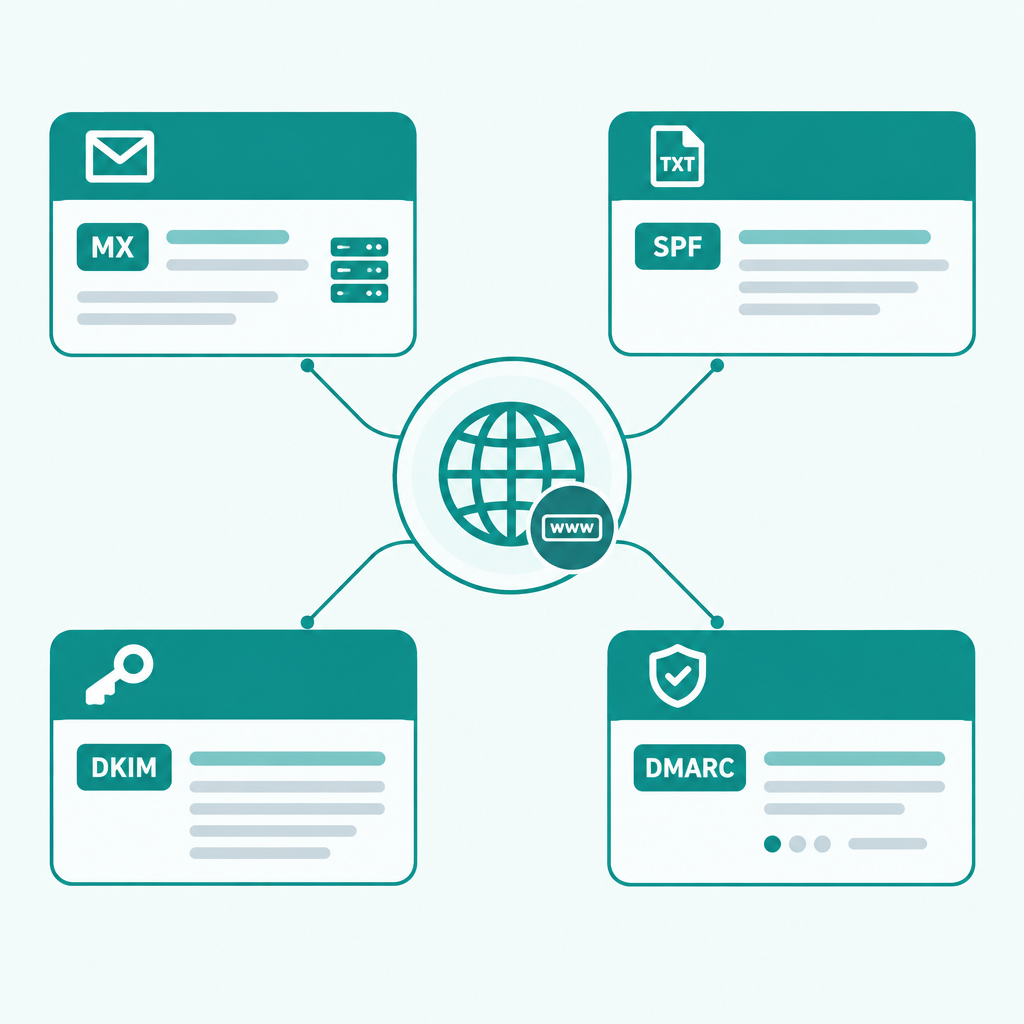
A practical checklist for publishing MX, SPF, DKIM, and DMARC together: exact record shapes, the mistakes that break delivery, and how to verify them from the public internet.

The common security gaps in email OTP implementations — code strength, expiry, rate limiting, constant-time comparison, user enumeration, and logging — and how to address each one.
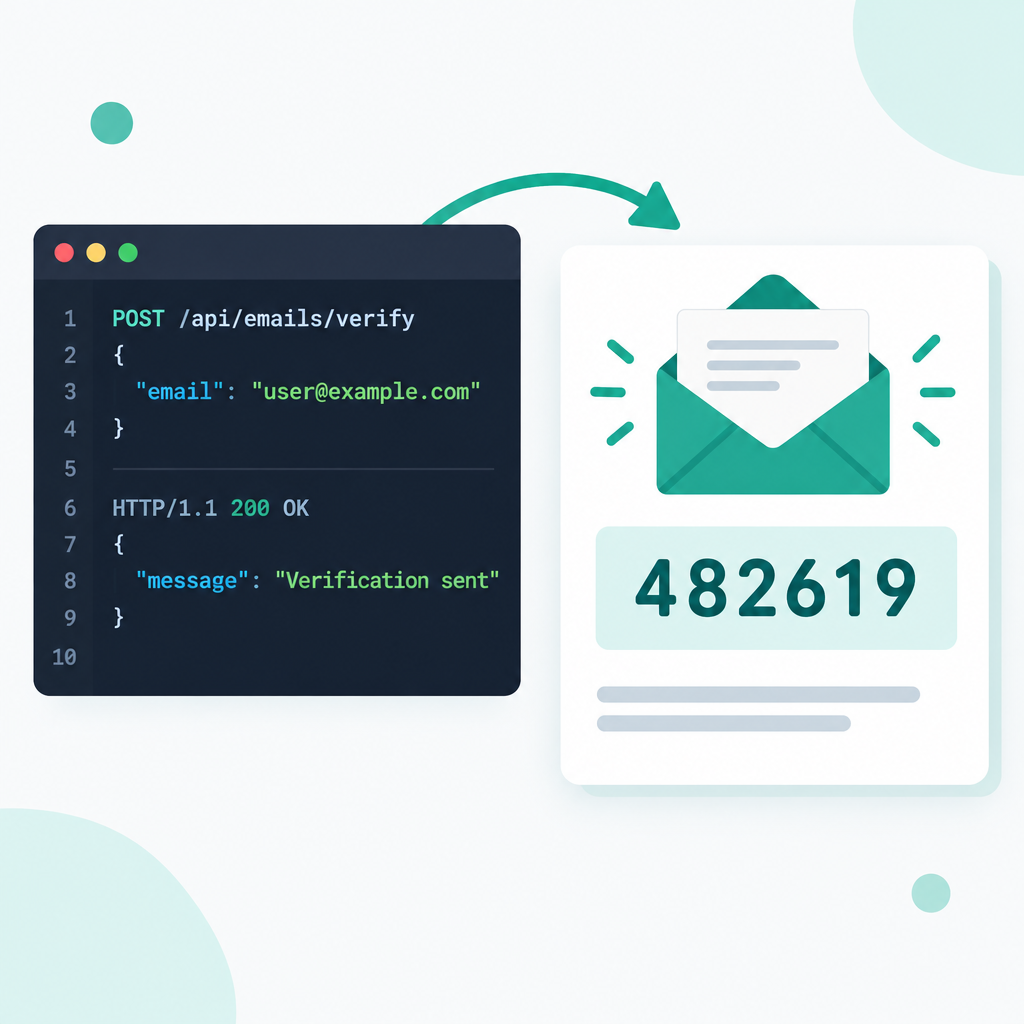
Send one-time passcodes with POST /emails and an Idempotency-Key. Covers secure generation, hashed storage, rate limits, and why mailbox SMTP is the wrong path.
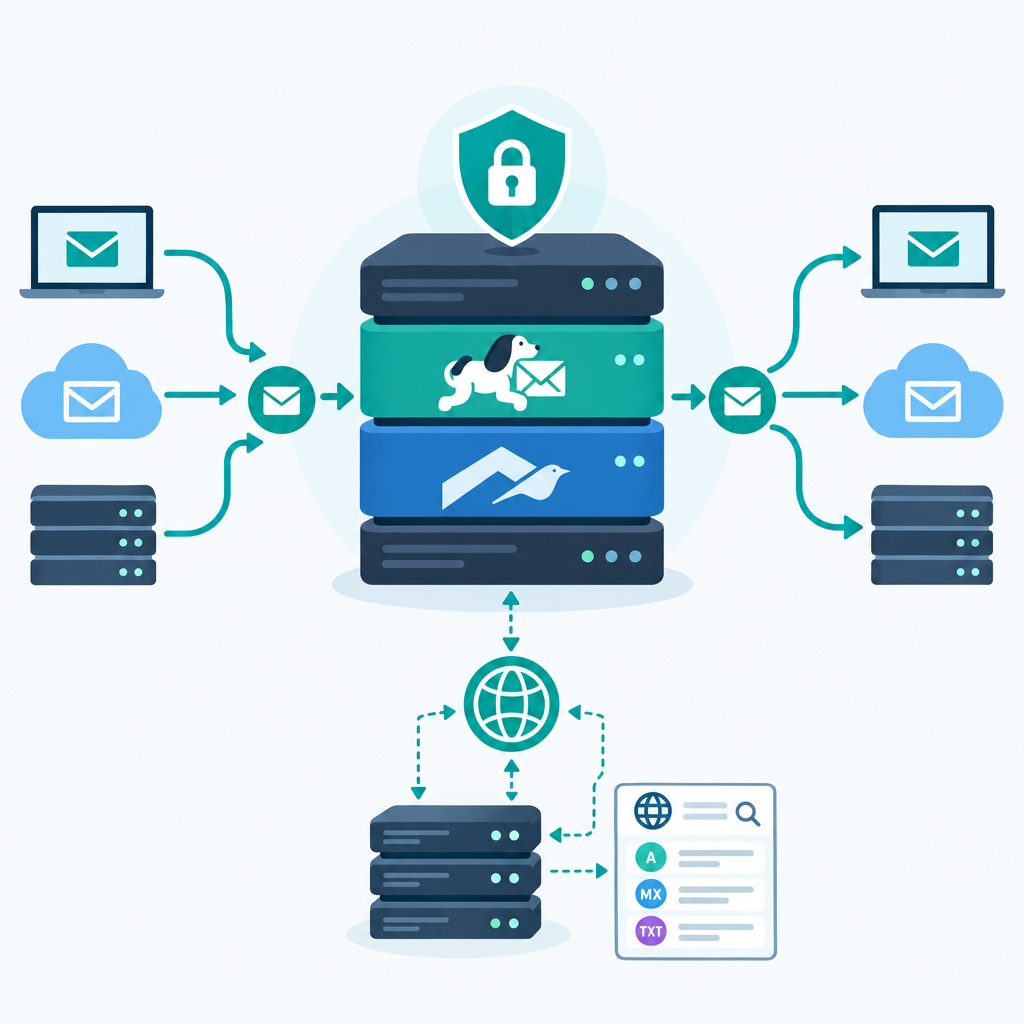
The core components of a self-hosted mail stack, the most common failure modes — deliverability, PTR records, IP reputation — and when it is worth the effort.

A side-by-side comparison of four free-tier business email services: Tencent Exmail, Aliyun Qiye Mail, Rovela, and Zoho Mail. What each plan includes, where each falls short, and which to pick.

How to manage email for a team of more than one: role-based access, shared inboxes, forwarding, and what to do when someone leaves.
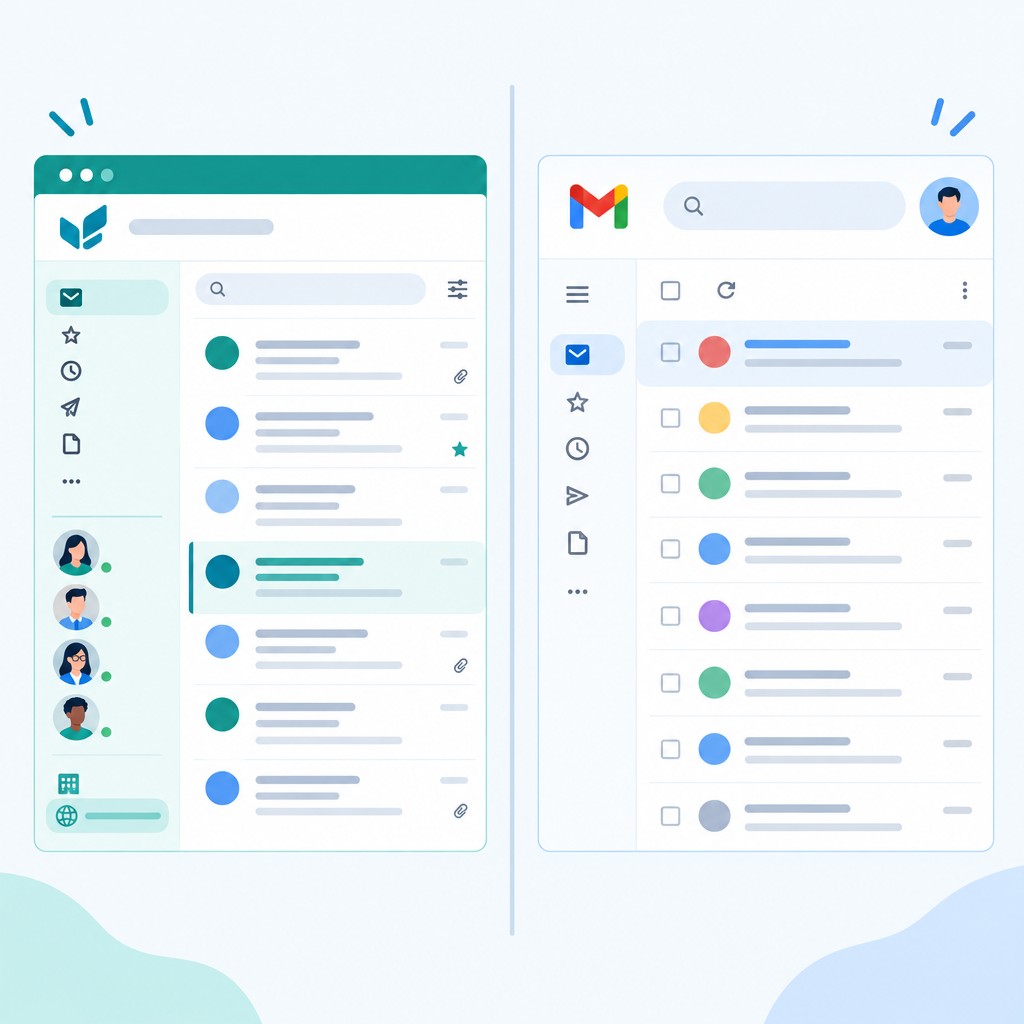
Business email vs personal email compared: ownership, brand, admin control, and when a free Gmail or Outlook address stops being enough.

Compare Google Workspace, Microsoft 365, Zoho Mail, and Rovela on what you actually buy: a collaboration suite, domain mailboxes, or an email API. Honest limits from Rovela’s live pricing.
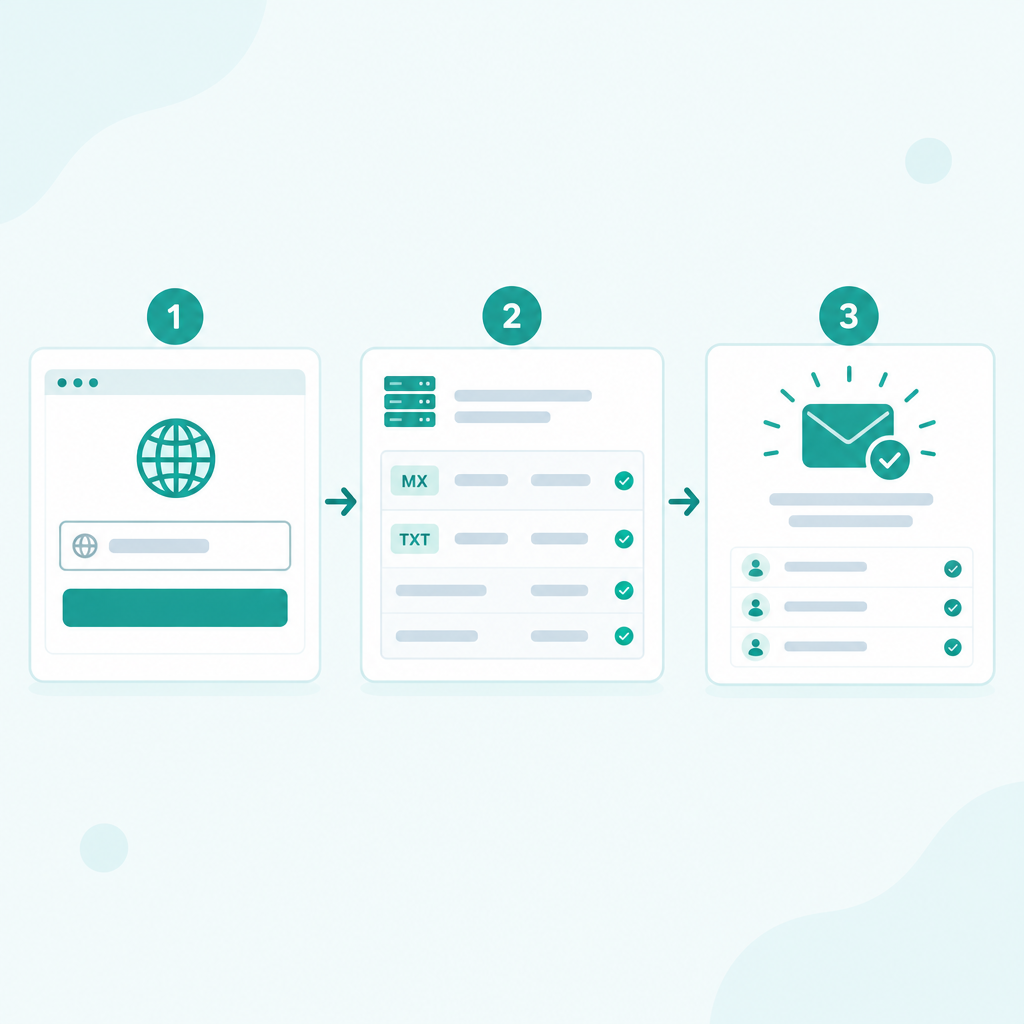
Add your domain, publish MX, SPF, DKIM, and DMARC, create mailboxes, then connect Outlook or a phone. Includes cutover tips and Rovela’s IMAP/SMTP settings.
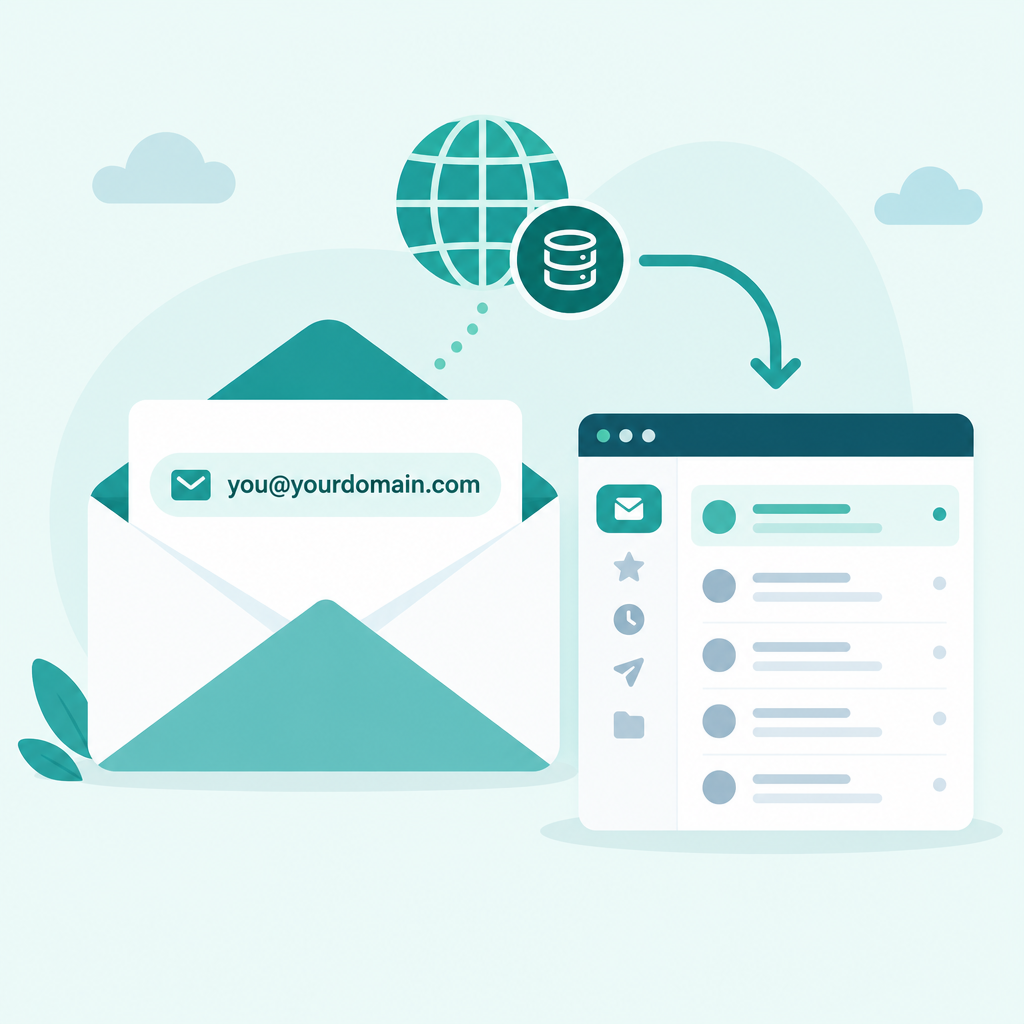
An email domain is the part after @ — gmail.com or yourcompany.com. Meaning, examples, how to find yours, and how a domain mailbox differs from Gmail.
A step-by-step move: DNS records, when to switch the MX, getting IMAP access at each provider, importing history for one mailbox or hundreds, and setting up mail apps.
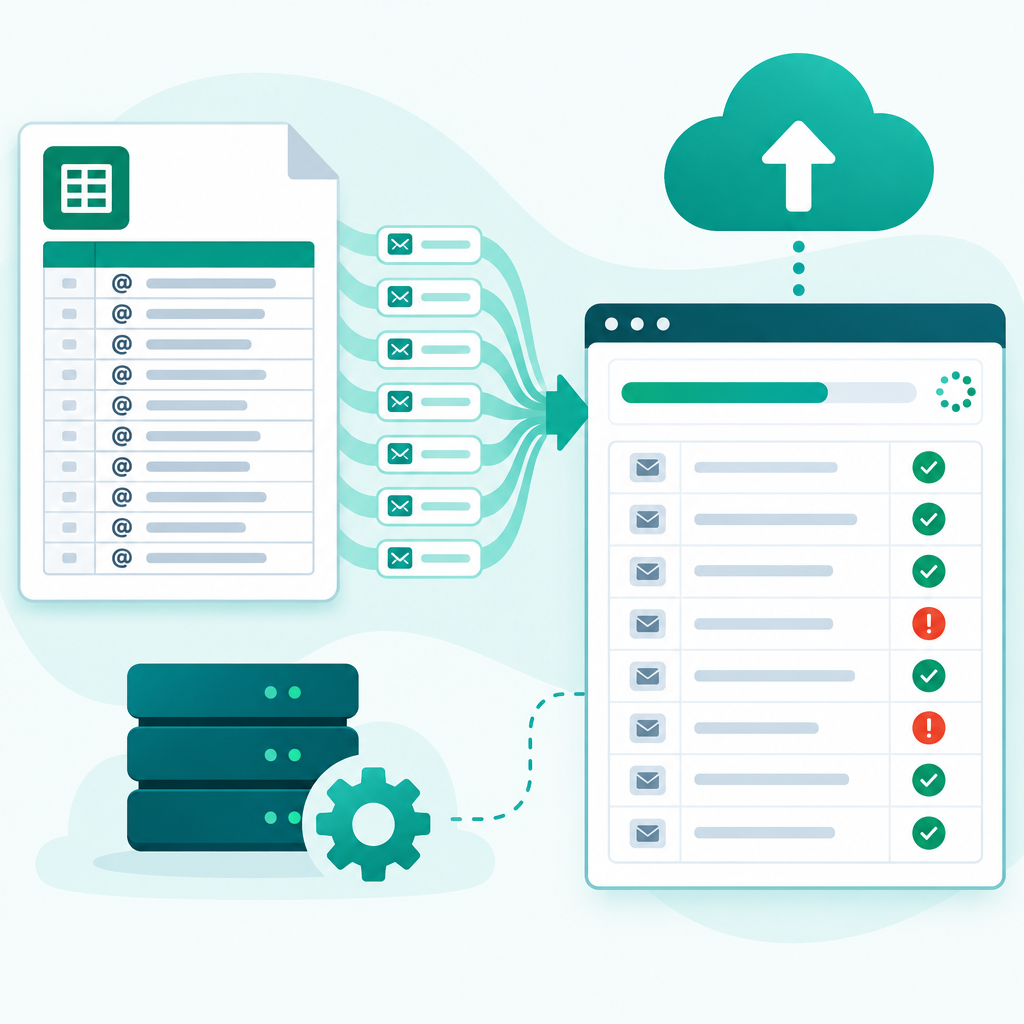
Move hundreds of company mailboxes with one CSV. Every login is checked first, failures come with a fix, and only the rows that pass are imported.
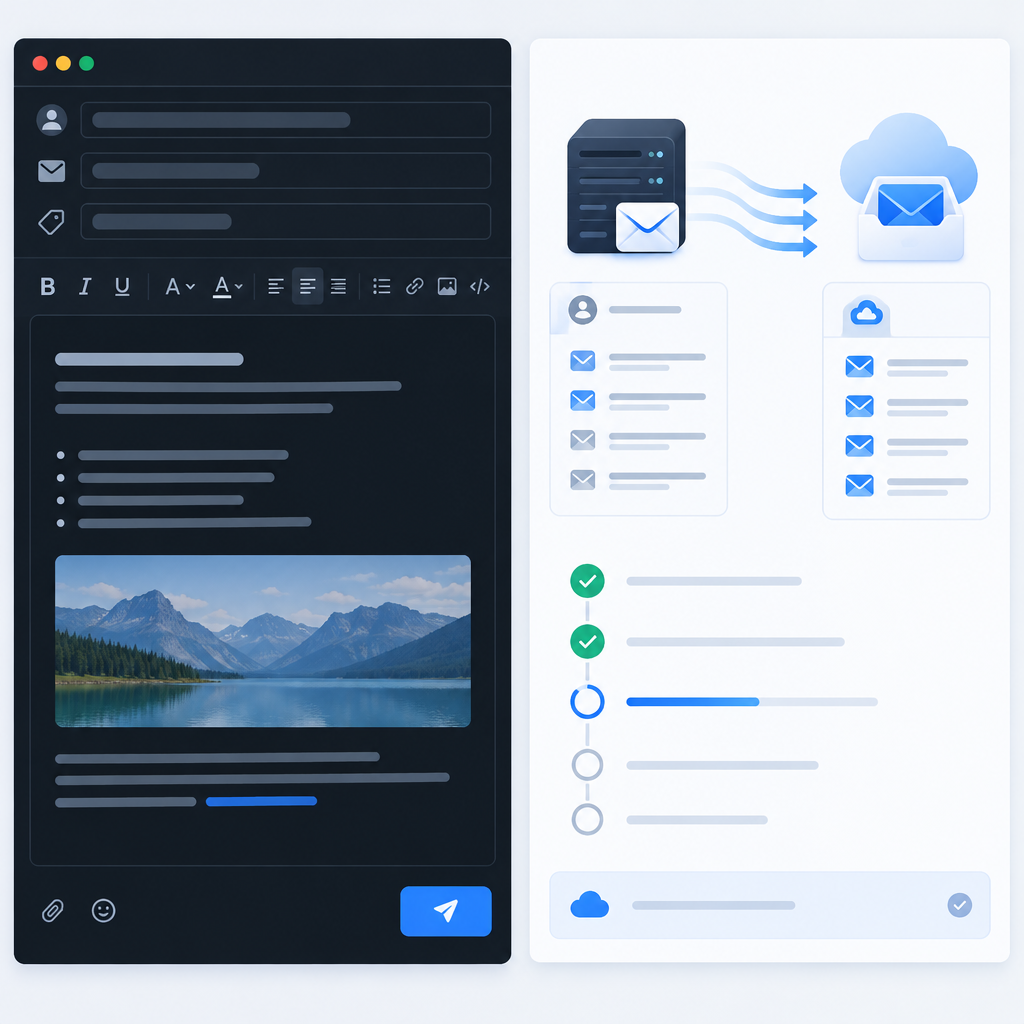
Write in plain text, Markdown or rich text, and import mail over IMAP from Aliyun, Tencent Exmail, NetEase, Gmail and 11 more providers, with folder preview.

Annual Pro at $99 or ¥699 with WeChat Pay, free limits enforced everywhere, 8 per-member permissions, mailbox assignment, and Chinese documentation.
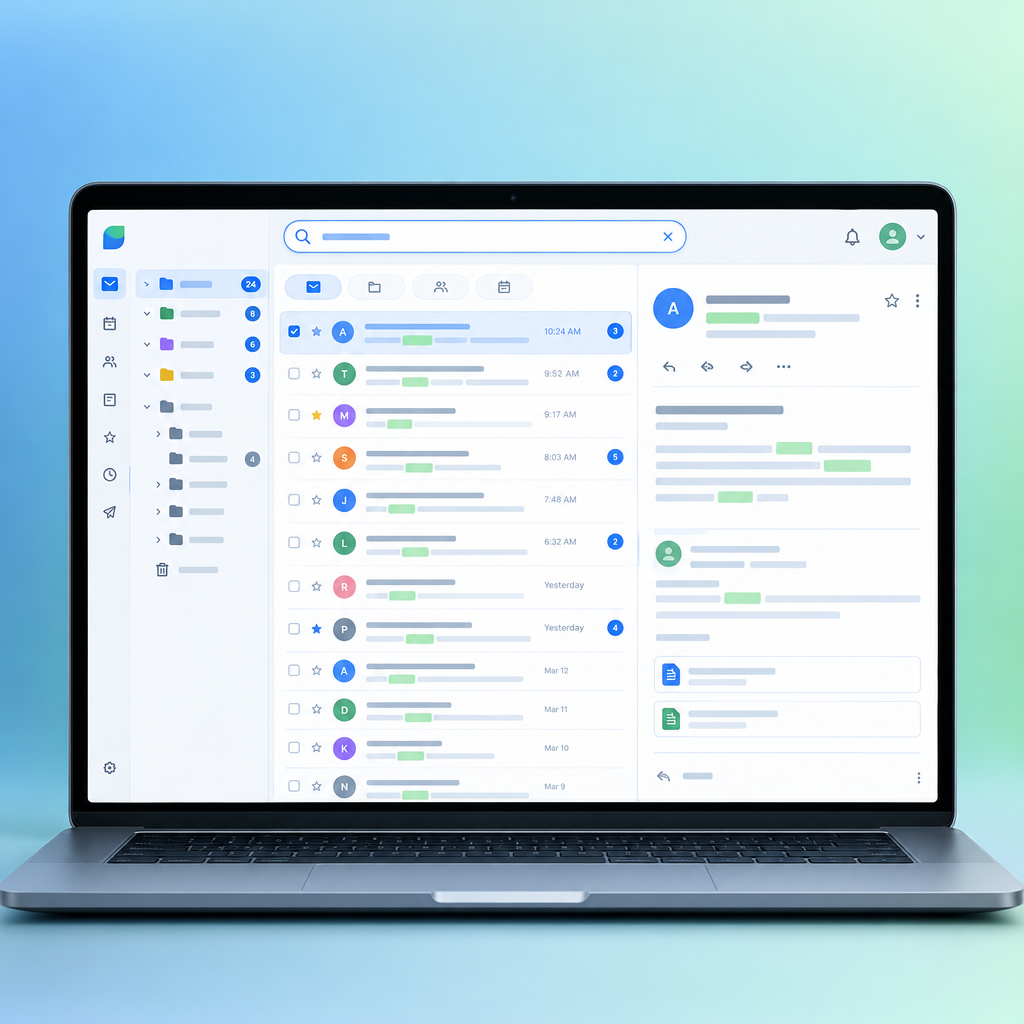
Webmail at mail.rovela.dev, per-device IMAP and SMTP passwords, remote images blocked by CSP, multi-select, cross-folder search, and a fix for API attachments.
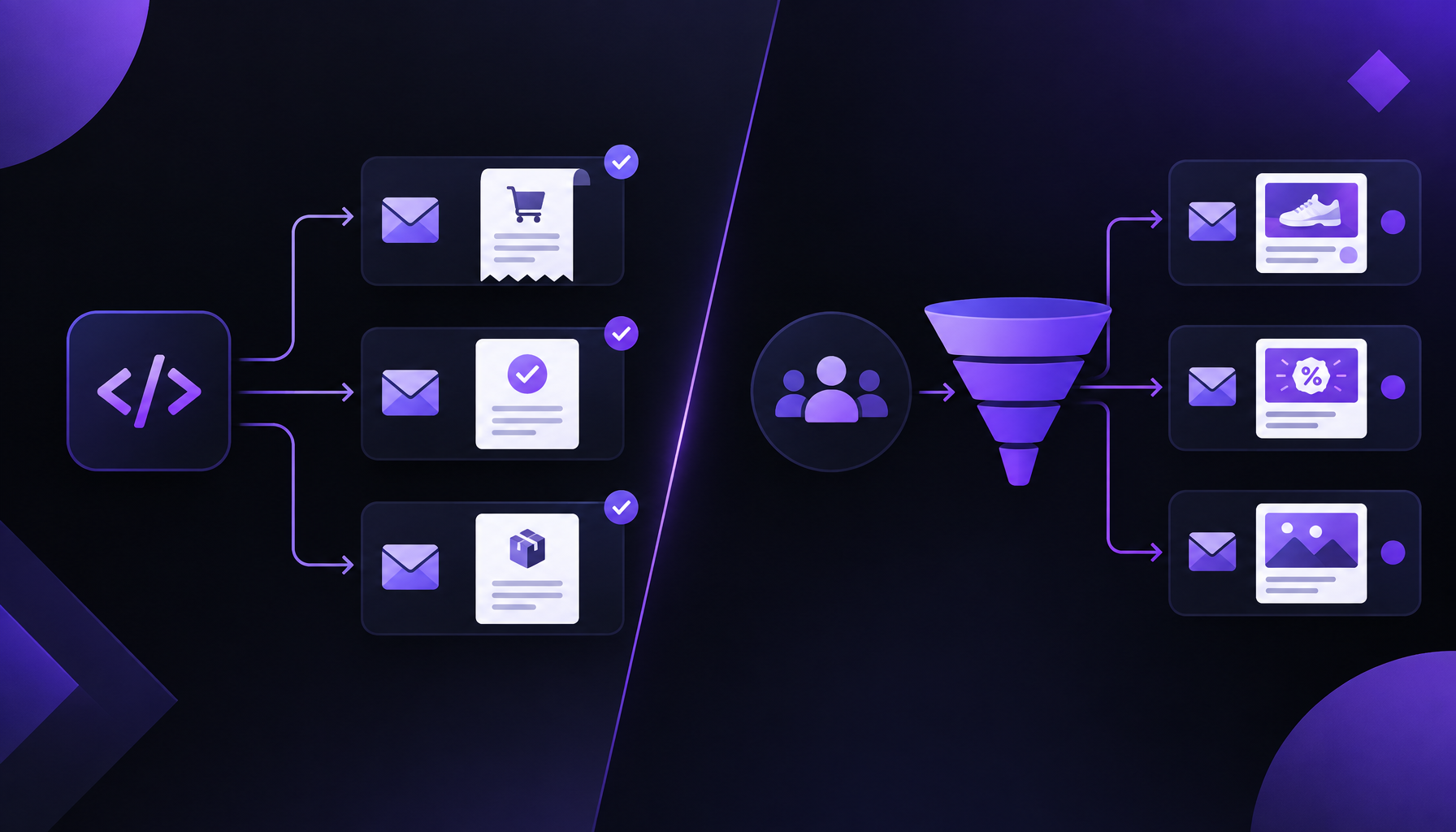
Mixing transactional and marketing email streams is one of the most common causes of deliverability problems. Here is what sets them apart and how to keep them on separate infrastructure.

Why authenticated mail can still land in spam, and how DKIM, SPF, and DMARC affect inbox placement — plus the mistakes that break authentication entirely.
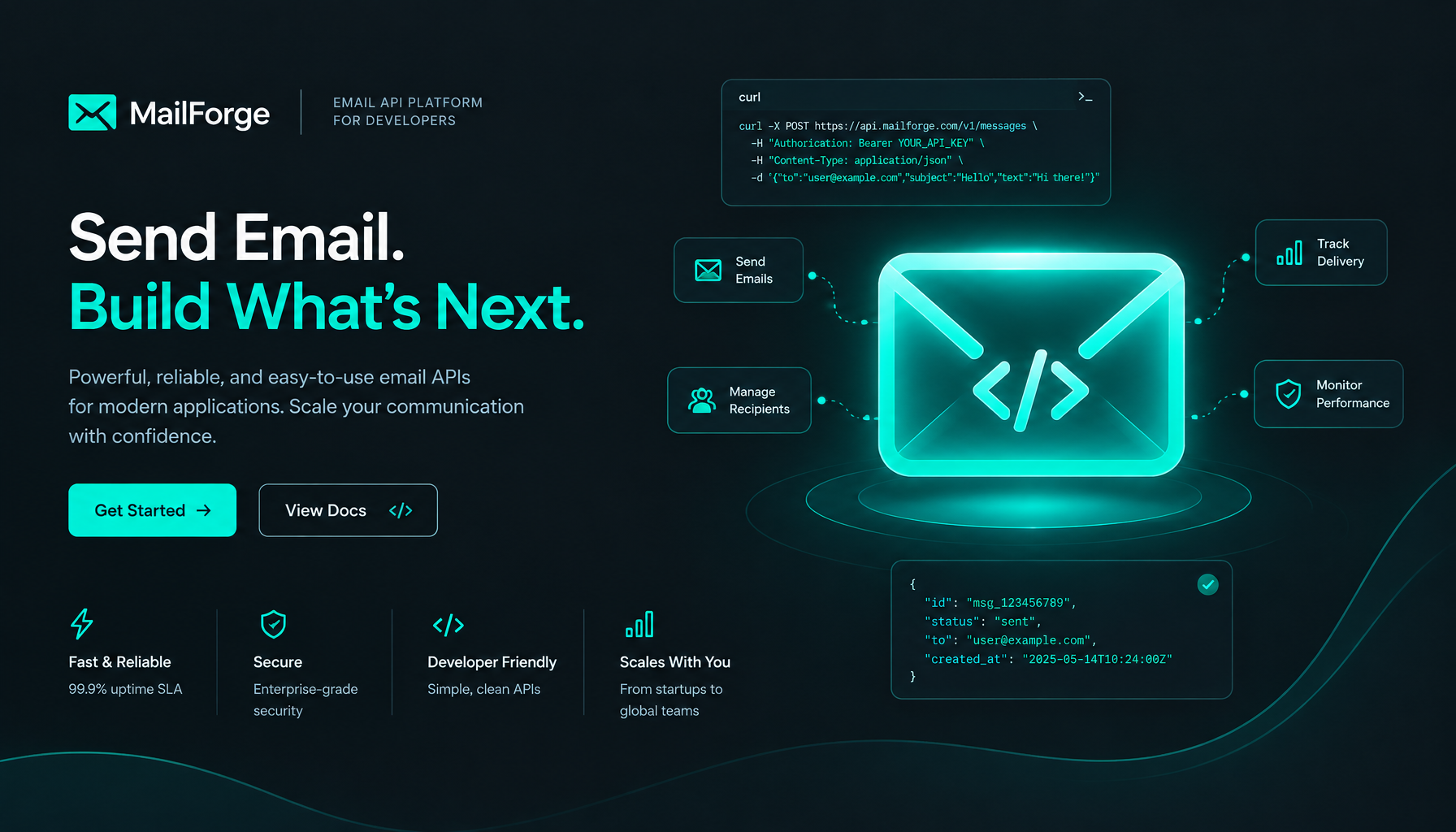
A step-by-step guide to integrating Rovela's email API: create an API key, verify your domain, and send a transactional email from any language in minutes.
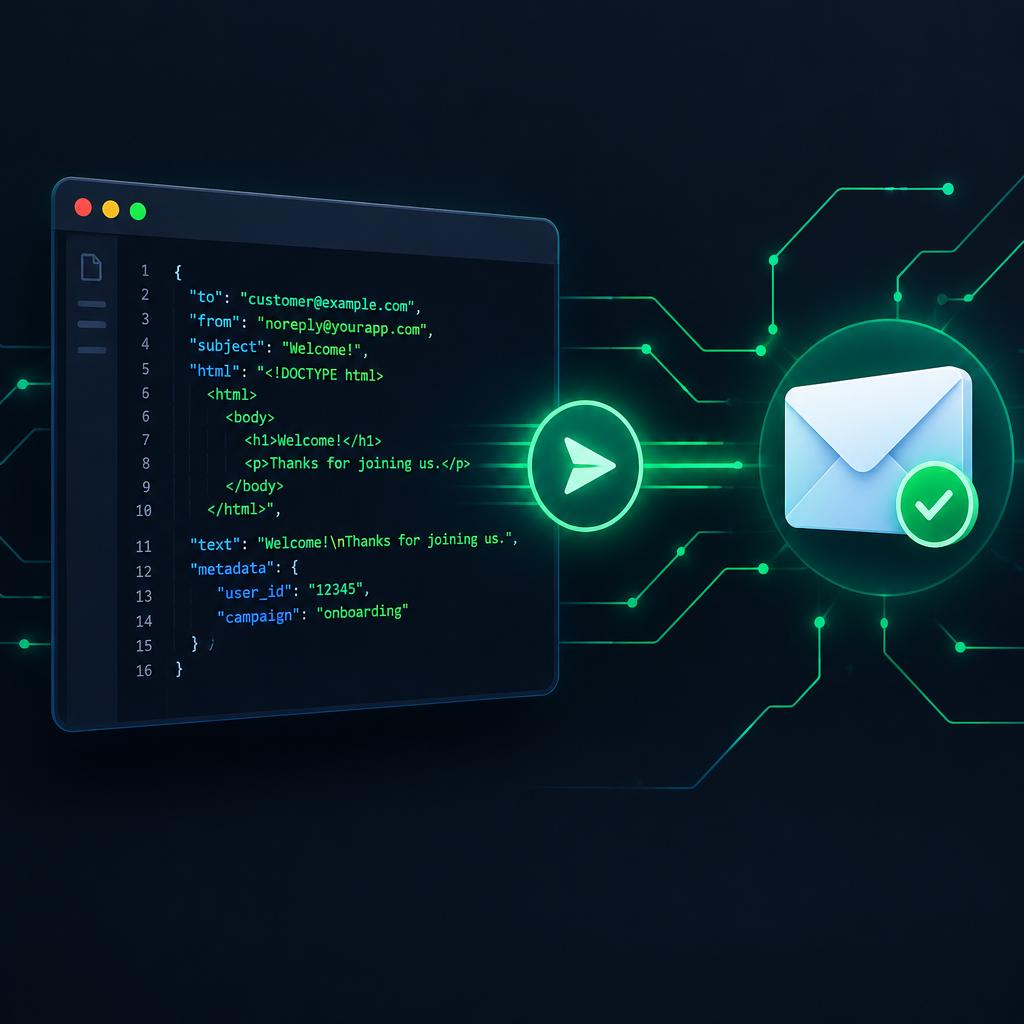
Rovela launches with a clean REST API for transactional email — domain verification, automatic DKIM signing, delivery webhooks, bounce handling, and inbound routing, all in one place.