
Email API vs SMTP: Which Should You Use?
SMTP and an HTTP email API both send mail, but the queue, retries, and events live in different places. How to choose for new apps, serverless, and SMTP libraries.
Product updates, engineering deep-dives, and practical guides.
SMTP and an HTTP email API both send mail, but the queue, retries, and events live in different places. How to choose for new apps, serverless, and SMTP libraries.

When a domain mailbox stops receiving mail, start with MX, storage, Junk, and the mail app — then check webmail before you change ports. Companion to the general delivery playbook.

Send email from Node.js with fetch and an HTTP API, or with Nodemailer over SMTP. No official SDK required. Covers retries, idempotency, and webhooks.
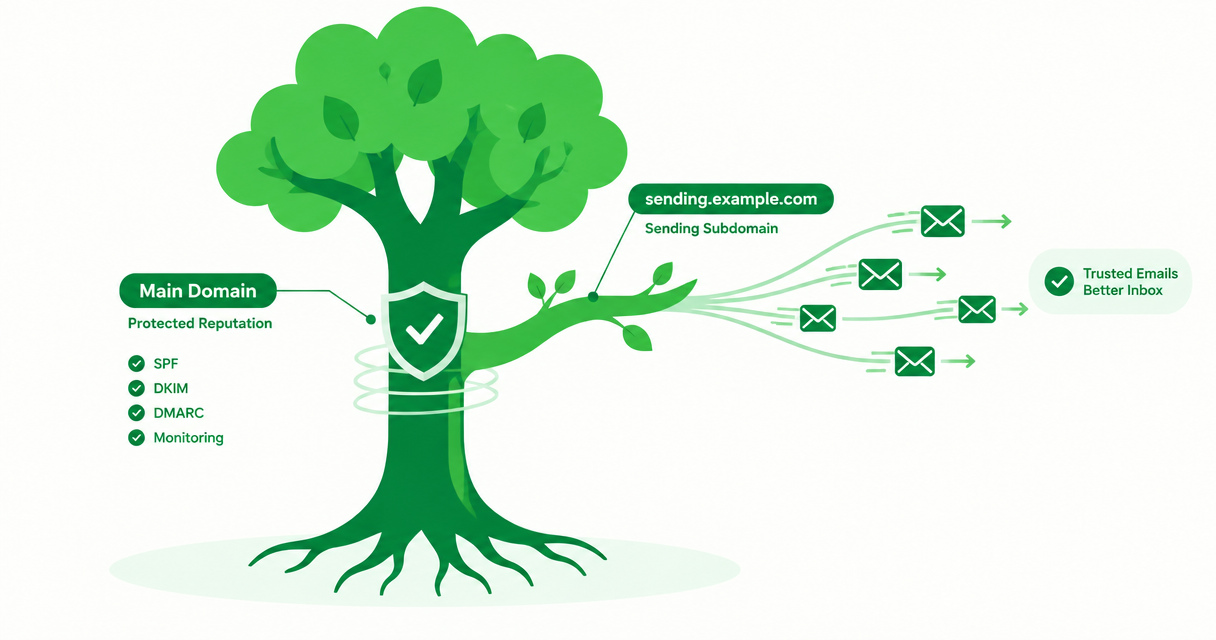
Why transactional and marketing mail should send from separate subdomains, how reputation attaches to a name, the DNS records each subdomain needs, and the mistakes that break the isolation.
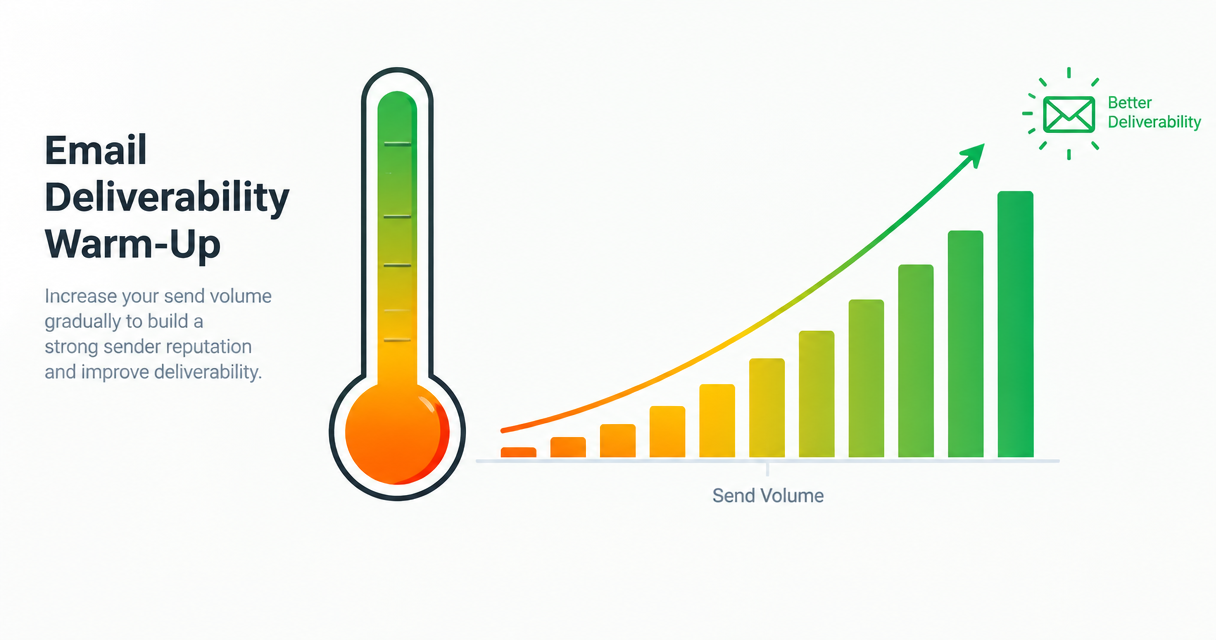
Warm-up is how a new domain earns trust: which signals receivers measure, a six-week ramp schedule, how to pick the audience, what to send, and the metrics to watch daily.

Two ways to send email from Python: the HTTP API (3 lines of code, recommended) and smtplib over SMTP. Complete working examples for both, plus how to handle errors.
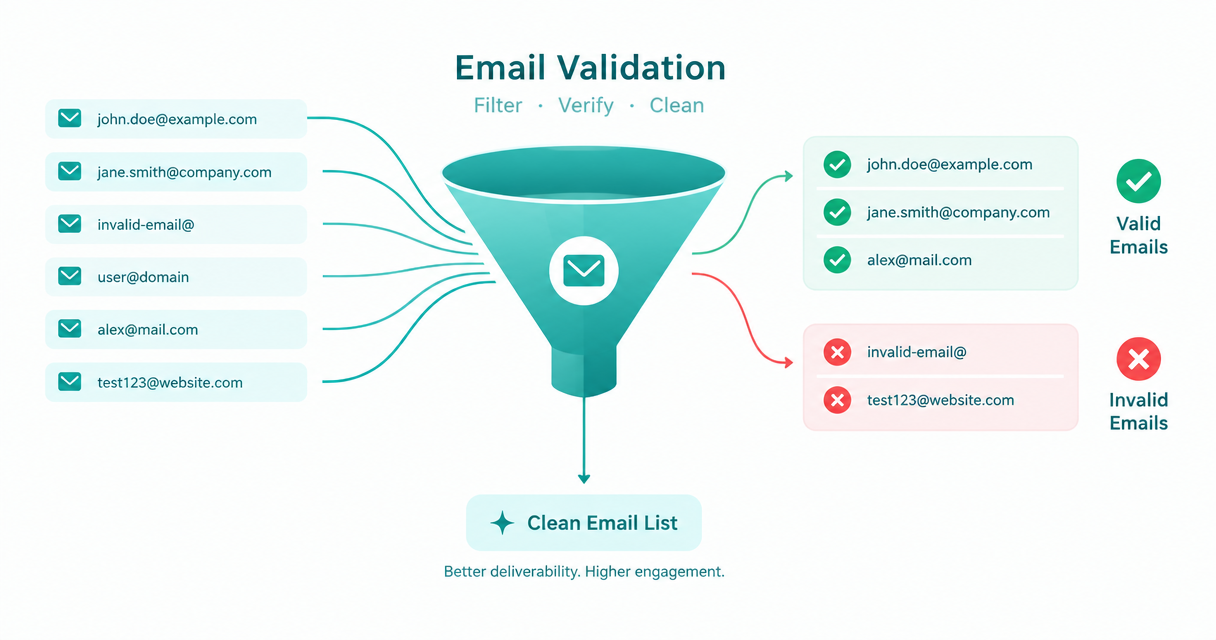
Hard bounces, complaints, engagement and spam traps: the four numbers behind list hygiene, the thresholds to act on, and a schedule that keeps a list from becoming a liability.
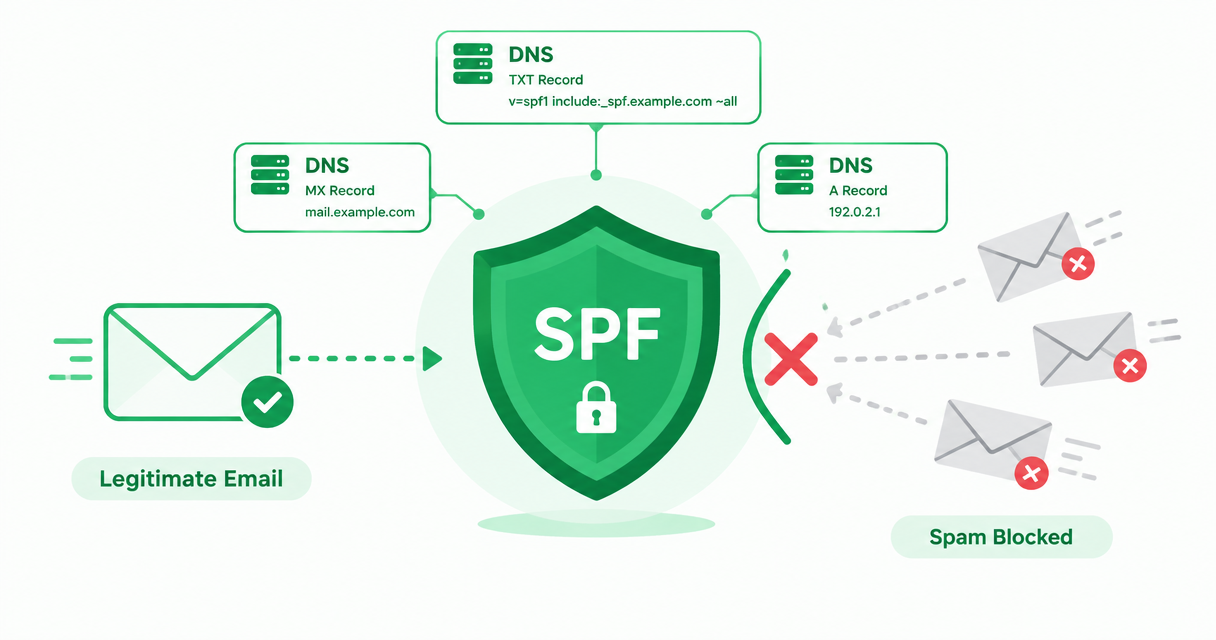
Create and troubleshoot a single SPF TXT record: mechanisms, qualifiers, merged includes, and the 10-lookup limit. Official Rovela include is _spf.rovela.dev.
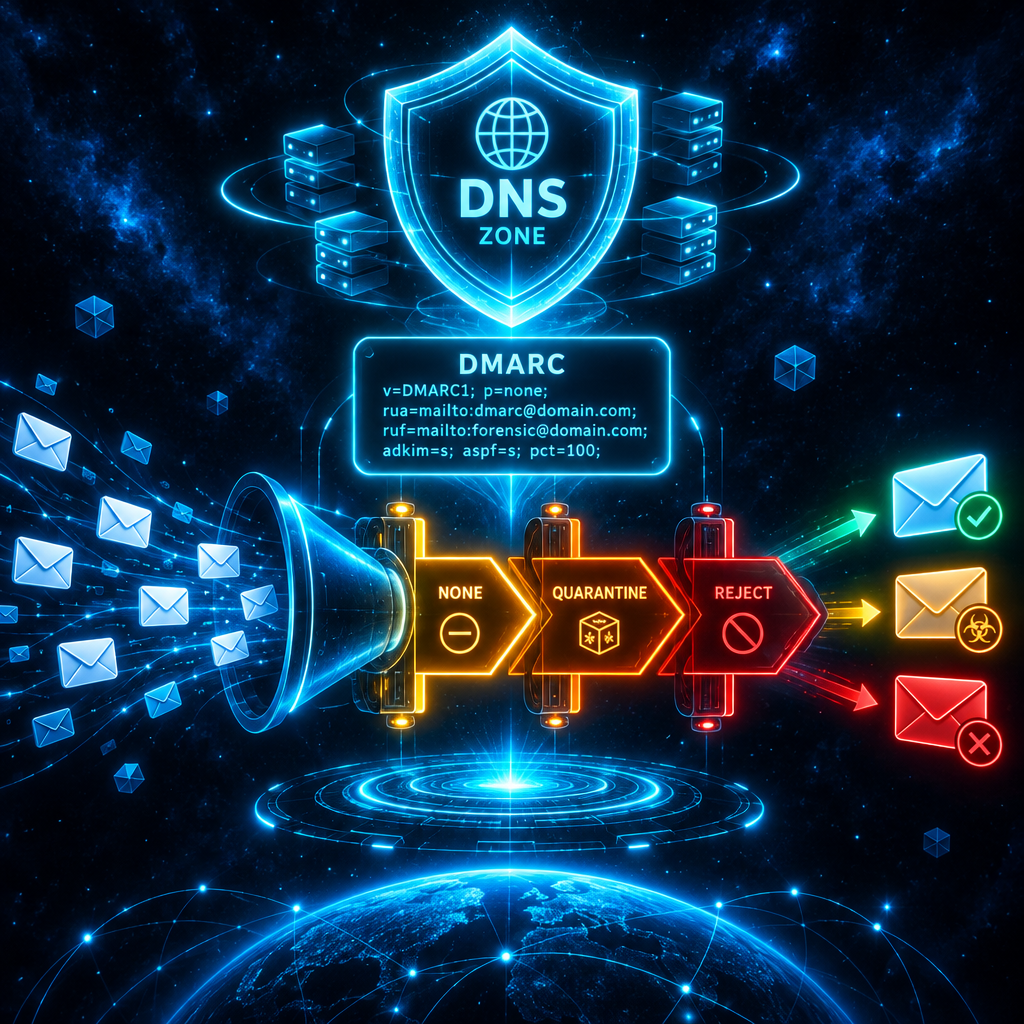
Set up DMARC in stages: start with p=none to collect reports, move to p=quarantine, then p=reject. Example records, alignment, and common mistakes.

Two complete patterns for sending email from Next.js App Router: a Route Handler for external callers and a Server Action for form submissions, both using fetch against the Rovela REST API with server-only protection and idempotency keys.
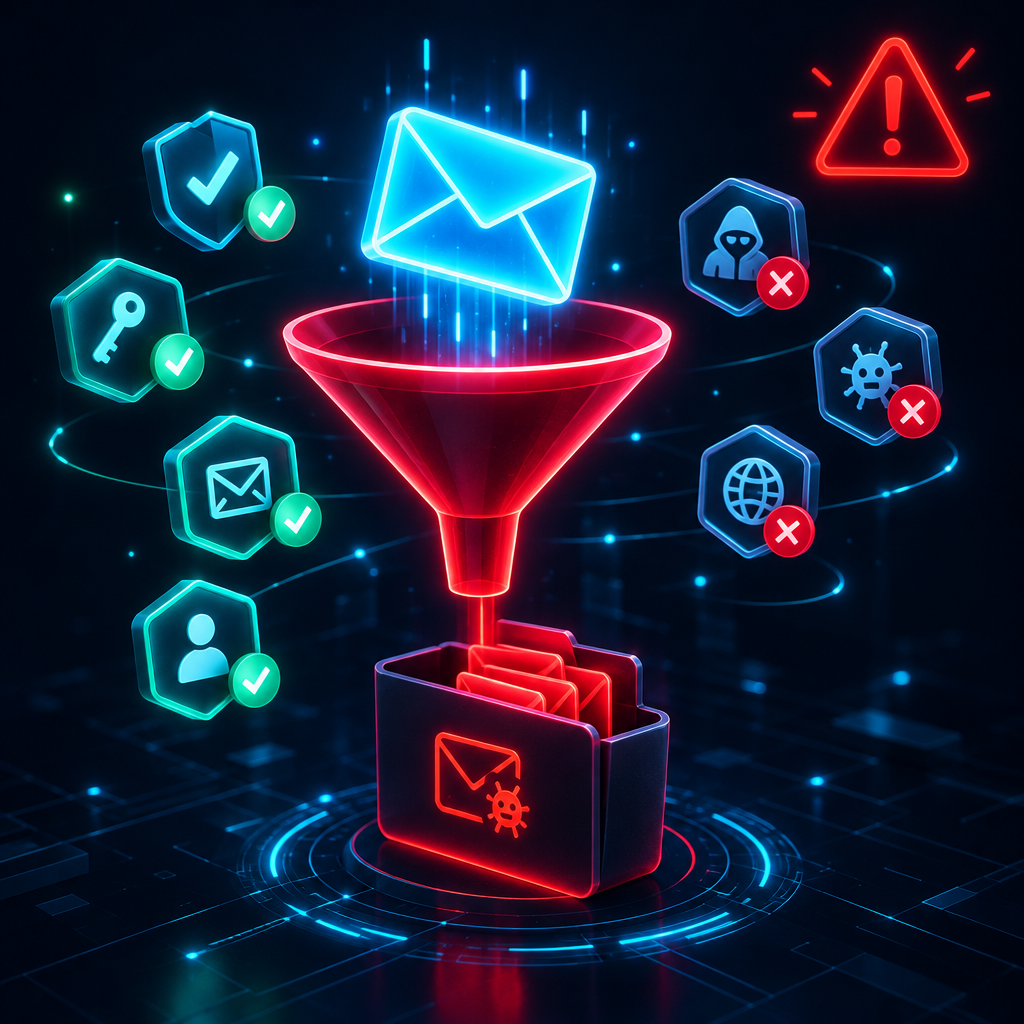
Diagnose spam placement in five steps: check Authentication-Results, fix SPF/DKIM/DMARC, clean your list, avoid content triggers, and warm up new domains.
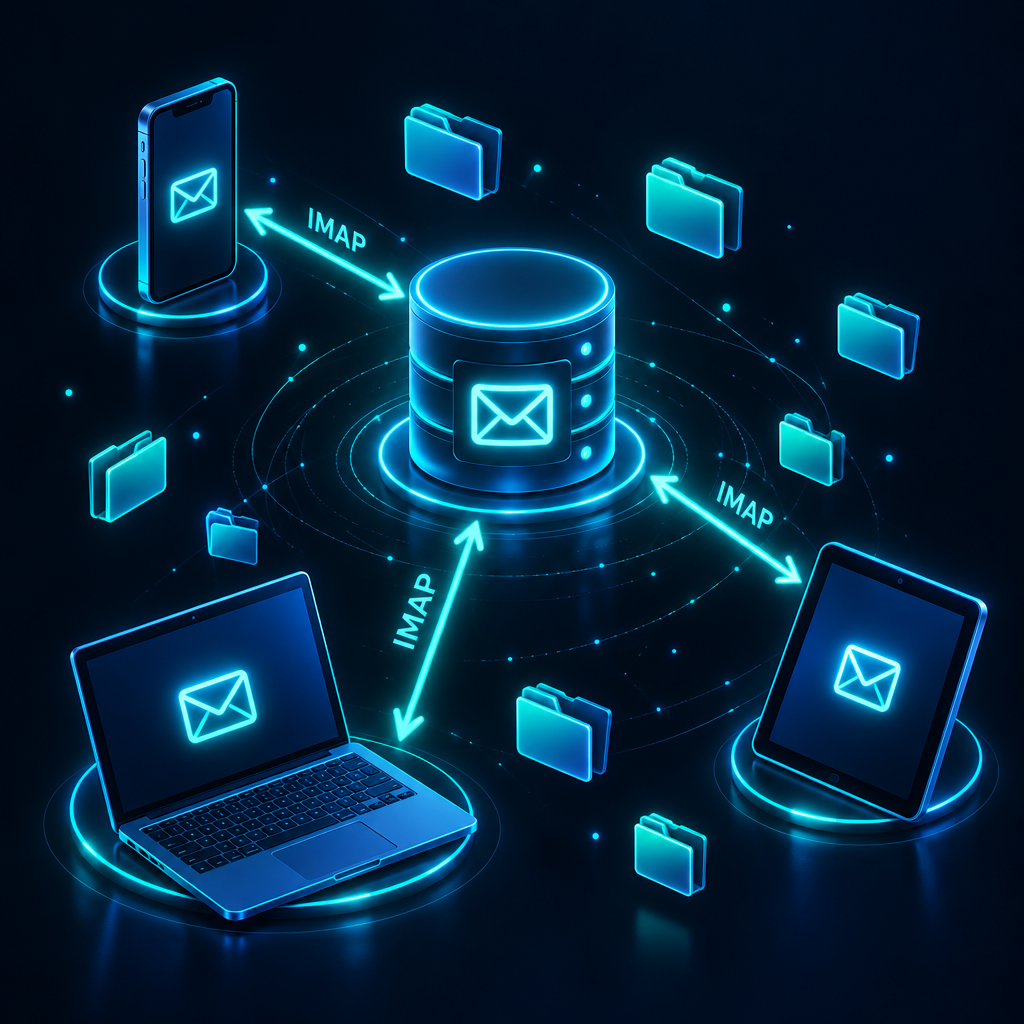
IMAP and SMTP settings for Outlook, iPhone, and Android: mx.rovela.dev ports 993 and 465, a per-device credential, and the errors that usually mean the wrong password or port.

Connect your DNS provider and let Rovela write SPF, DKIM, DMARC, and MX records automatically. Includes credential instructions for all three providers and an explanation of the conflict-without-overwrite sync policy.

Use 465 (SSL/TLS) or 587 (STARTTLS) for client submission. Port 25 is server-to-server and often blocked outbound. Rovela mailbox SMTP uses 465.

Rovela signs every webhook delivery with HMAC-SHA256 in the x-resend-signature header (t=…,v1=…). This article walks through verification step by step, with special attention to three common mistakes: raw body handling, replay protection, and constant-time comparison.

Rovela automatically adds addresses to the suppression list after hard bounces, complaints, and unsubscribes, skipping future deliveries silently. This article covers the three auto-suppression triggers, the management API, and pre-flight filtering.

Gmail and Apple Mail’s unsubscribe button needs List-Unsubscribe and List-Unsubscribe-Post. How RFC 8058 one-click works, and how Rovela records a suppression.

Rovela's scheduled_at field queues email for delivery at a future time, with support for rescheduling and cancellation. This article walks through the full flow and shows how to compute send times in the recipient's time zone.

Rovela batch API, cursor-based pagination for large lists, exponential backoff, send timing, and progress tracking.
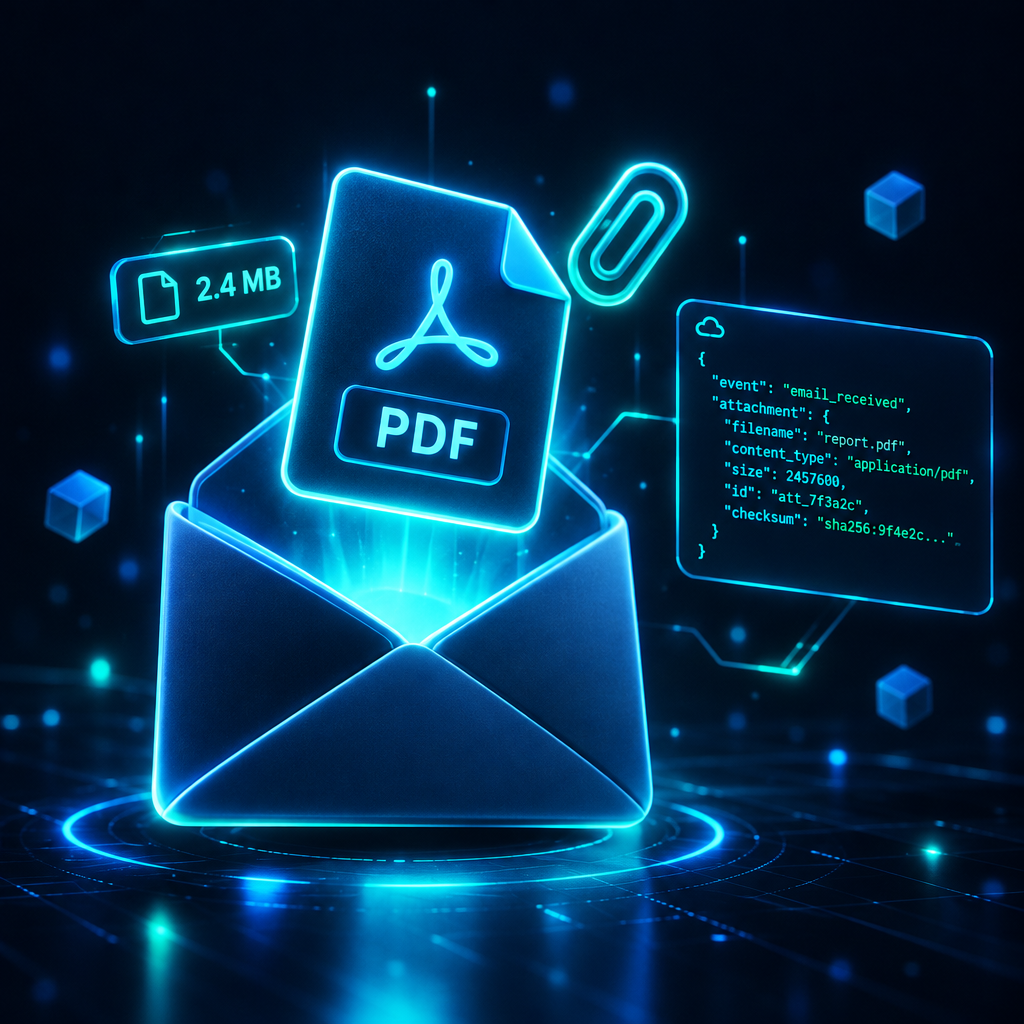
Rovela's attachment API, provider size limits, switching to download links for large files, security considerations, and Content-Type.

How tracking pixels and click redirects work, why Apple Mail Privacy Protection inflates opens, and how Rovela’s domain tracking and webhooks fit in.

Core deliverability factors, IP warm-up schedules, target metric thresholds, and separating transactional from marketing mail.
How to handle hard and soft bounces in production: webhooks, suppression, rate thresholds, and list hygiene. The operational companion to bounce codes and causes.

The constraints of email HTML, table layouts, inline styles, React Email and MJML, and testing tools.